
Top 5 Fastest Missiles in the World 2026 | Official Speeds, Specs & Strategic Impact
Missile speed is a critical metric in modern defense technology, defined primarily by the missile’s maximum velocity during flight or reentry phases. Measured in Mach numbers—where Mach 1 equals the speed of sound (approximately 1,225 km/h at sea level)—missile speed determines evasion capabilities, interception difficulty, and strike effectiveness. The top 5 fastest missiles in the world encompass categories such as ballistic missiles, which follow a high-arc trajectory and achieve peak speeds during atmospheric reentry; cruise missiles, which maintain low-altitude, sustained flight; and hypersonic missiles, which exceed Mach 5 and often incorporate glide vehicles for maneuverability.
Ballistic missiles, like intercontinental ballistic missiles (ICBMs), reach hypersonic speeds in their terminal phase due to gravity-assisted descent. Cruise missiles fly at lower altitudes with air-breathing engines, while hypersonic systems combine speed with unpredictable trajectories to penetrate defenses. In contemporary warfare, missile speed is pivotal for strategic deterrence, as faster systems reduce reaction times for adversaries, complicating interception by systems like the U.S. Patriot or Russian S-400. This matters for global defense strategies, where rapid strikes can shift power balances, as seen in ongoing conflicts and arms races.
At Ground Zero Defence Academy (GZDA), we emphasize understanding these technologies for defense aspirants, as they underpin modern military doctrines and career paths in defense science.
Top 5 Fastest Missiles in the World
Ranking the top 5 fastest missiles in the world is based on verified maximum speeds from credible sources, focusing on operational or advanced testing systems. These represent the pinnacle of fastest ballistic missiles and hypersonic missile speed comparison, with data drawn from official reports.
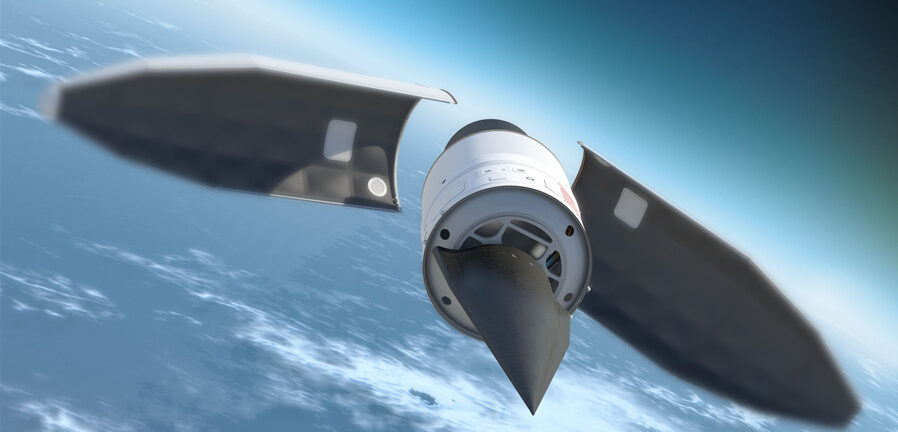
1. Avangard (Russia) – Hypersonic Glide Vehicle
- Type: Hypersonic Glide Vehicle (HGV)
- Country of Origin: Russia
- Max Verified Speed: Mach 20 (24,696 km/h) – verified in tests; Russian claims up to Mach 27 (33,300 km/h)
- Operational Status: Deployed (entered combat duty in 2019)
- Source Citation: U.S. CRS Report (2025); DIA Russia Military Power (2024)
- Brief Capabilities & Strategic Role: Launched atop ICBMs like SS-19 or RS-28 Sarmat, Avangard glides at hypersonic speeds with maneuverability to evade defenses. It carries nuclear warheads, enhancing Russia’s strategic deterrence by penetrating U.S. missile shields. Its role in global power balance underscores hypersonic advancements, making it a key asset in potential conflicts.
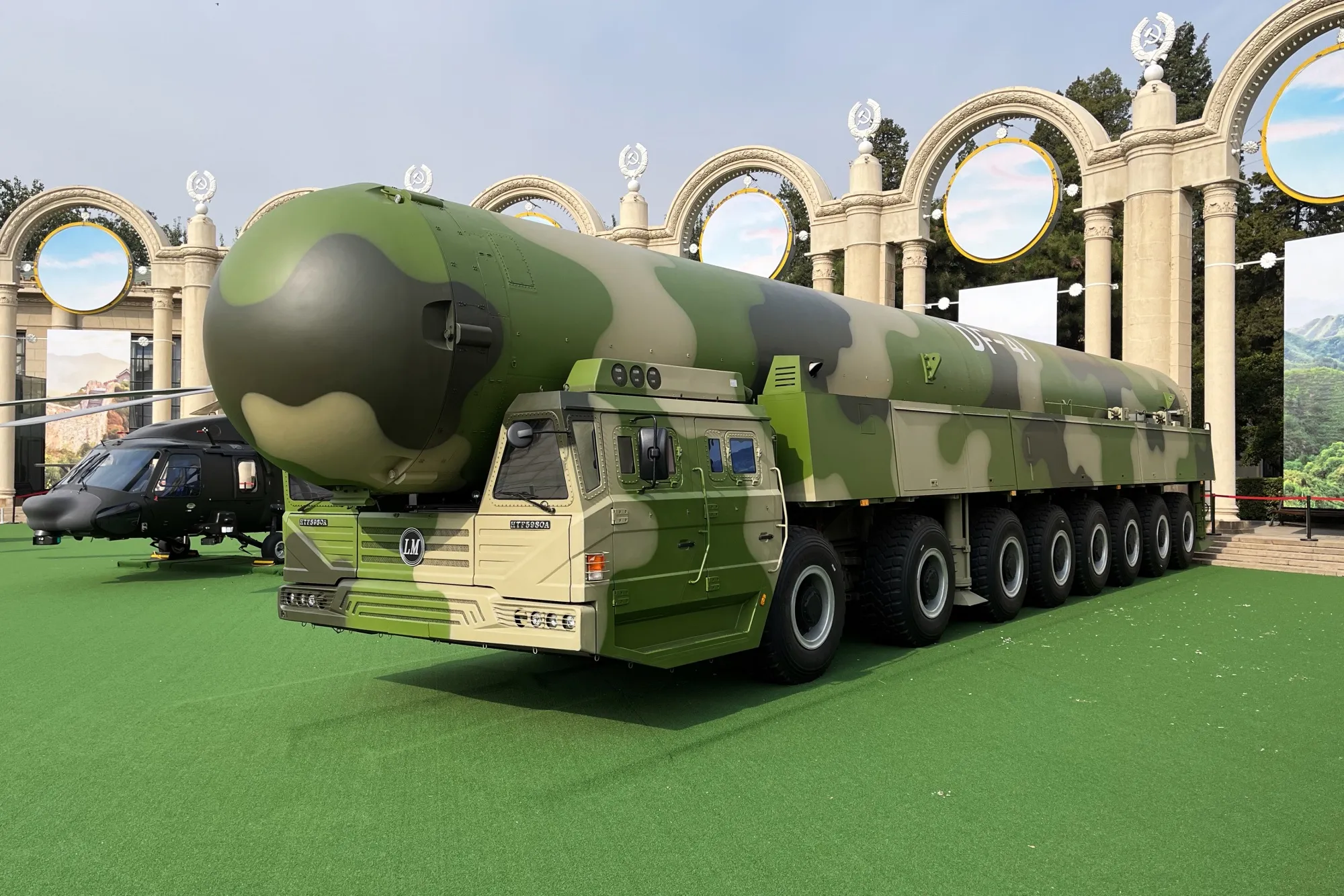
2. DF-41 (China) – Intercontinental Ballistic Missile
- Type: Ballistic (ICBM)
- Country of Origin: China
- Max Verified Speed: Mach 25 (30,870 km/h) during reentry
- Operational Status: Deployed (in service since 2019)
- Source Citation: U.S. DoD China Military Power Report (2024); SIPRI Yearbook 2025
- Brief Capabilities & Strategic Role: Road-mobile with MIRV capability (up to 10 warheads), the DF-41 reaches 12,000–15,000 km, targeting the U.S. mainland. It bolsters China’s nuclear triad, providing second-strike assurance and shifting regional power dynamics in Asia-Pacific. As part of world’s fastest ballistic missiles, it complicates U.S. defense planning.
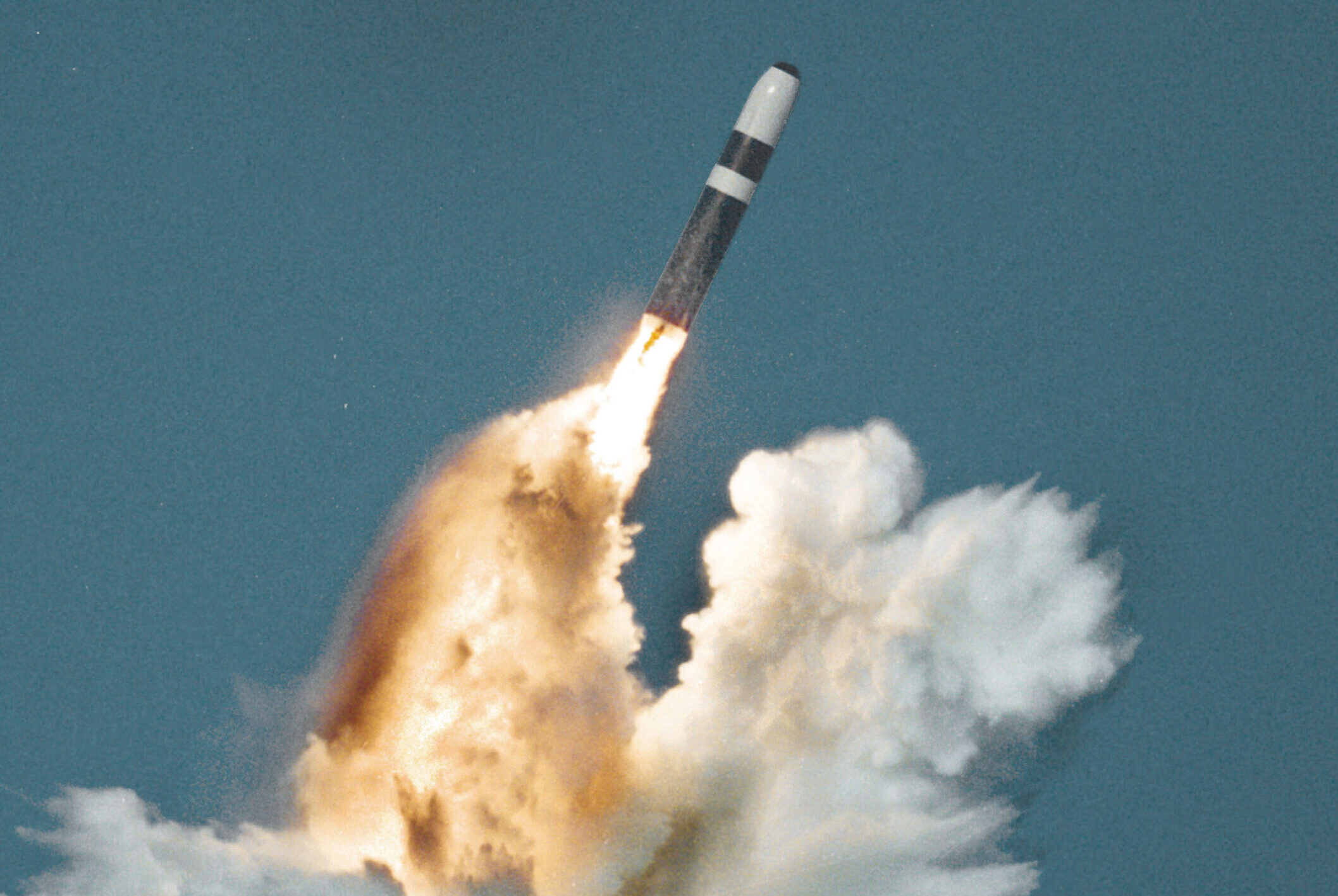
3. Trident II D5 (USA) – Submarine-Launched Ballistic Missile
- Type: Ballistic (SLBM)
- Country of Origin: United States
- Max Verified Speed: Mach 24 (29,645 km/h) during reentry
- Operational Status: Deployed (in service since 1990, with upgrades)
- Source Citation: U.S. DoD; SIPRI Yearbook 2025
- Brief Capabilities & Strategic Role: Launched from Ohio-class submarines, it carries up to 8 MIRVs over 12,000 km. Essential for U.S. nuclear deterrence, it ensures survivable second-strike options. In hypersonic missile speed comparison, its reentry velocity challenges adversaries, maintaining global strategic balance.
4. RS-28 Sarmat (Russia) – Intercontinental Ballistic Missile
- Type: Ballistic (ICBM)
- Country of Origin: Russia
- Max Verified Speed: Mach 20 (24,600 km/h) during reentry
- Operational Status: Deployed (entered service in 2023)
- Source Citation: DIA Russia Military Power Report (2024); IISS Military Balance 2025
- Brief Capabilities & Strategic Role: Silo-based with MIRV (up to 15 warheads) and HGV options, range exceeds 10,000 km. It replaces Soviet-era systems, enhancing Russia’s counterforce capabilities. As one of the world’s fastest cruise missiles in ballistic terms, it deters NATO, influencing European security.
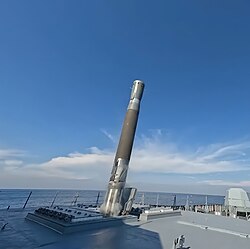
5. 3M22 Zircon (Russia) – Hypersonic Cruise Missile
- Type: Hypersonic Cruise
- Country of Origin: Russia
- Max Verified Speed: Mach 9 (11,025 km/h)
- Operational Status: Deployed (in service since 2023)
- Source Citation: U.S. CRS Report (2025); RAND Hypersonic Studies
- Brief Capabilities & Strategic Role: Ship- and submarine-launched, range 1,000 km with anti-ship/land-attack roles. Its speed and low-altitude flight evade radars, targeting naval assets. In missile speed facts & figures, it exemplifies world’s fastest cruise missiles, reshaping naval warfare.
Understanding these top 5 fastest missiles in the world is crucial for defense aspirants at GZDA, where our defence technology blog explores how such systems influence careers in missile engineering and strategic planning.
Speed Comparison Chart For Top 5 Fastest Missiles in the World
| Missile | Type | Max Speed (Mach) | Source | Status |
|---|---|---|---|---|
| Avangard | Hypersonic Glide Vehicle | 20 | CRS, DIA | Deployed |
| DF-41 | Ballistic (ICBM) | 25 | DoD, SIPRI | Deployed |
| Trident II D5 | Ballistic (SLBM) | 24 | DoD, SIPRI | Deployed |
| RS-28 Sarmat | Ballistic (ICBM) | 20 | DIA, IISS | Deployed |
| 3M22 Zircon | Hypersonic Cruise | 9 | CRS, RAND | Deployed |
This table highlights hypersonic missile speed comparison and fastest ballistic missiles, with data from verified sources.
Verification Standards for Top 5 Fastest Missiles in the World
Speeds and data for the top 5 fastest missiles in the world are verified through official military publications, defense contractors, and respected institutions. Sources include U.S. Department of Defense (DoD) reports, Congressional Research Service (CRS) analyses, Stockholm International Peace Research Institute (SIPRI) yearbooks, RAND Corporation studies, International Institute for Strategic Studies (IISS) assessments, and government releases from the U.S., Russia, and China. Verification relies on declassified intelligence, test data, and peer-reviewed analyses—excluding unverified media or blogs.
For instance, U.S. DoD annual reports on Chinese military power provide estimates on DF-41 capabilities, while CRS documents detail Russian Avangard tests. SIPRI and IISS offer independent stockpile and deployment verifications, ensuring no reliance on speculation. Reasoning prioritizes institutional data over claims, cross-referencing with NASIC (National Air and Space Intelligence Center) threat assessments for accuracy.
Strategic Significance for Top 5 Fastest Missiles in the World
Missile speed profoundly impacts interception difficulty, as hypersonic systems (Mach 5+) reduce warning times to minutes, overwhelming current defenses like THAAD or Aegis. This forces nations to invest in advanced radars and space-based sensors, altering defense strategies toward layered, AI-driven systems.
In global power balance, the top 5 fastest missiles in the world amplify asymmetries—Russia and China’s hypersonics challenge U.S. dominance, prompting arms races. For instance, Avangard and DF-41 enable assured nuclear strikes, deterring intervention in regional conflicts like Taiwan or Ukraine. Speed also enables precision in conventional wars, as seen with Zircon’s anti-ship role, shifting naval power in contested seas.
At Ground Zero Defence Academy, we discuss these in our defence technology blog, helping aspirants grasp how missile speed facts & figures influence global stability and defense careers.
Conclusion
The top 5 fastest missiles in the world—Avangard, DF-41, Trident II D5, RS-28 Sarmat, and Zircon—represent cutting-edge defense tech, with speeds enabling strategic superiority. Backed by official sources, this analysis underscores their role in deterrence and warfare. For more insights, explore GZDA’s related content on missile tech and defence careers.
[metform form_id=”30″]