
Exploring Defence Careers in India: A Practical Guide for Students and Parents
Serving in the Indian Armed Forces or working for defence career is a respected path that demands dedication, physical strength, and a sense of purpose. For students finishing Class 10 or 12, it offers meaningful opportunities to contribute to the nation while building a stable career. This guide outlines realistic options based on official recruitment processes, including eligibility, age limits, and requirements. We’ll focus on entries like the Agnipath (Agniveer) scheme, National Defence Academy (NDA), Technical Entry Scheme (TES), and others from the Army, Navy, and Air Force. Remember, these paths require thorough preparation, and success comes from consistent effort rather than shortcuts. Always verify the latest details from official sources, as notifications can update annually.
Why Consider a Defence Career?
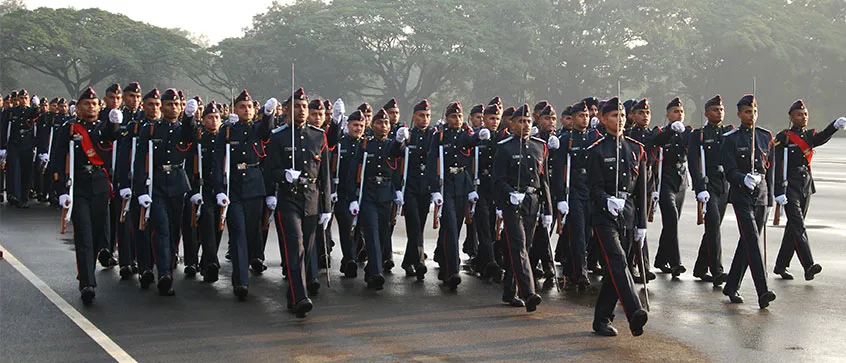
A Defence Career builds skills like leadership, teamwork, and resilience. It provides job security, allowances, and post-service benefits, but it’s not easy—selection involves exams, physical tests, and interviews. For students and parents exploring options, think long-term: What aligns with your strengths? Do you prefer ground roles, technical work, or officer positions? Starting preparation early, such as improving fitness or studying key subjects, can help. However, outcomes depend on merit, and not everyone clears every stage. Approach it with realism and a backup plan.
Defence Career Options After Class 10
After Class 10, opportunities are mainly at the soldier or entry-level sailor ranks. These roles introduce you to military life and can lead to further promotions with experience or additional qualifications. Under the Agnipath scheme, introduced in 2022, recruits serve for four years as Agniveers, with about 25% potentially retained for longer service based on performance. This scheme aims to keep the forces young and agile. Here’s a breakdown:
- Indian Army Agniveer Entries:
- General Duty (GD): Involves frontline duties like patrolling and operations. Eligibility includes passing Class 10 with at least 45% aggregate marks and 33% in each subject (some relaxations for certain categories or boards). Age limit: 17.5 to 21 years. Basic requirements: Height (around 170 cm for most, varies by region), chest expansion, and passing a physical efficiency test (running, pull-ups, etc.). Selection through written exam, physical tests, and medical check.
- Tradesman: For support roles like cooking or equipment maintenance. Requires Class 10 pass (or Class 8 for specific categories as per notification). Age: 17.5 to 23 years. Focuses on trade-specific skills; physical standards similar to GD.
- These entries recruit via rallies or online applications on joinindianarmy.nic.in. Training lasts about 6 months, followed by service. It’s a good start for those eager to join early, but advancement often needs higher education later.
- Indian Navy Matric Recruit (MR):
- Roles include stewards, chefs, or hygienists on ships. Eligibility: Class 10 pass with minimum marks as specified (usually 50% aggregate). Age: 17.5 to 21 years. Requires passing a written test on science, maths, English, and GK, plus physical fitness (1.6 km run in 6.30 minutes, squats, push-ups). Apply via joinindiannavy.gov.in. Training at INS Chilka provides naval basics. This suits those interested in sea-based service without advanced studies yet.
- Indian Air Force Options:
- Limited direct entries after Class 10; most require Class 12. However, under Agniveervayu, some non-technical trades might accept Class 10 qualifiers if specified in notifications (check careerindianairforce.cdac.in). Generally, focus shifts to after-12th for Air Force.
These paths emphasize physical readiness over academics. Students should build stamina through regular exercise and understand that service involves challenges like postings in remote areas. Parents, discuss the four-year Agnipath term—it offers skills and a severance package (around ₹11-12 lakh) but isn’t permanent for all.
Defence Career Options After Class 12
After Class 12, choices expand significantly, including officer commissions. These require stronger academic backgrounds, especially in Physics, Chemistry, and Maths (PCM) for technical or flying roles. Officer entries lead to leadership positions with better pay and responsibilities. Agnipath options also upgrade to technical or clerical roles. Selection often involves Union Public Service Commission (UPSC) exams for officers, followed by Services Selection Board (SSB) interviews assessing personality and aptitude.
- Officer-Level Entries:
- National Defence Academy (NDA): A premier route to become a commissioned officer in the Army, Navy, or Air Force. Eligibility: Unmarried males/females, Class 12 pass (PCM for Navy/Air Force; any stream for Army). Age: 16.5 to 19.5 years. Exam by UPSC twice a year—written test (Maths and General Ability), SSB interview, medicals. Training at NDA Pune (3 years) leads to a degree and commission. It’s competitive, with lakhs applying; focus on balanced prep for written and personality tests.
- Technical Entry Scheme (TES) for Indian Army: For engineering aspirants. Eligibility: Class 12 with PCM (at least 60% aggregate). Age: 16.5 to 19.5 years. No written exam; shortlisting based on Class 12 marks, then SSB and medicals. Leads to Permanent Commission after training at Indian Military Academy (IMA). Ideal for tech-savvy students.
- Agniveer and Other Non-Officer Entries:
- Indian Army Agniveer Technical/Clerk/Store Keeper: Technical requires Class 12 with Science (50% aggregate). Clerk needs any stream (60% aggregate, 50% per subject). Age: 17.5 to 23 years. Involves written exam, physical tests. Apply on joinindianarmy.nic.in.
- Indian Navy Senior Secondary Recruit (SSR)/Artificer Apprentice (AA): SSR/AA for technical sailor roles. Eligibility: Class 12 with PCM (at least 60%). Age: 17.5 to 21 years. Written exam on science, maths, English, GK; physical tests. Training focuses on naval operations.
- Indian Air Force Agniveervayu (Group X/Y): Group X (Technical): Class 12 with PCM (50%). Group Y (Non-Technical): Any stream (50% aggregate). Age: 17.5 to 21 years. Exam covers English, maths, physics (for X), reasoning. Physical includes running and adaptability tests. Apply via agnipathvayu.cdac.in.
For women, options like Women Military Police (Army) or specific Navy/Air Force entries apply similarly, with gender-specific quotas. These after-12th paths allow specialization—e.g., flying in Air Force via NDA or technical maintenance in Navy.
Table: Comparison of Key Entries by Education Level
| Entry Level | Option | Force | Education Requirement | Age Limit | Key Selection Stages | Type of Service |
|---|---|---|---|---|---|---|
| After 10th | Agniveer GD | Army | Class 10 (45% aggregate) | 17.5–21 | Written, Physical, Medical | 4 years (Agnipath) |
| After 10th | Tradesman | Army | Class 10/8 | 17.5–23 | Trade Test, Physical | 4 years (Agnipath) |
| After 10th | Matric Recruit | Navy | Class 10 | 17.5–21 | Written, Physical | 4 years (Agnipath) |
| After 12th | NDA | All Forces | Class 12 (PCM for Navy/AF) | 16.5–19.5 | UPSC Exam, SSB | Permanent Commission |
| After 12th | TES | Army | Class 12 PCM (60%) | 16.5–19.5 | Marks-based, SSB | Permanent Commission |
| After 12th | Agniveer Technical | Army | Class 12 Science (50%) | 17.5–23 | Written, Physical | 4 years (Agnipath) |
| After 12th | SSR/AA | Navy | Class 12 PCM (60%) | 17.5–21 | Written, Physical | 4 years (Agnipath) |
| After 12th | Group X/Y | Air Force | Class 12 (50%) | 17.5–21 | Written, Physical | 4 years (Agnipath) |
This table highlights how after-12th options often lead to more technical or leadership roles. Note: Heights, weights, and vision standards vary; check official notifications.
Preparation Tips for Aspiring Candidates
Success in defence requires a holistic approach:
- Academics: Strengthen basics in maths, science, English, and GK. For NDA, practice past papers from upsc.gov.in.
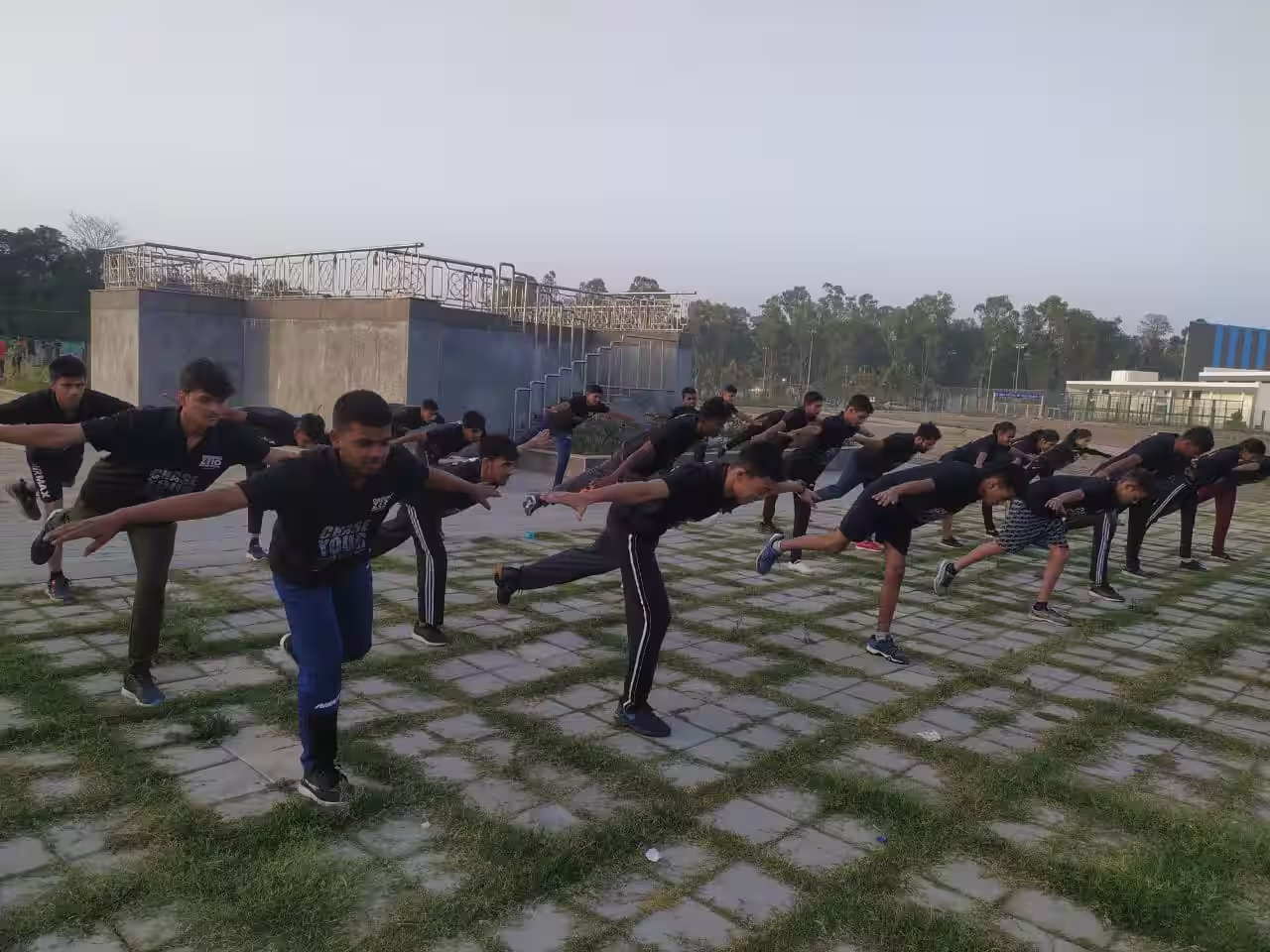
- Physical Fitness: Train for runs (1.6 km in under 6 minutes), push-ups (20+), and endurance. Maintain a healthy diet and routine.
- Mental Preparation: SSB interviews test officer-like qualities—practice group discussions, obstacle courses, and psychological tests. Read books on leadership.
- Long-Term Planning: If aiming for officers, consider coaching if needed, but self-study works too. For Agnipath, focus on rallies. Parents, support with resources like official apps or career counseling.
- Challenges to Anticipate: High competition (e.g., NDA has ~400 seats vs. 4 lakh applicants). Rejections are common—learn from them. Service may involve risks and relocations.
Encourage discipline: Wake up early, study daily, exercise. It’s about building habits for life, not quick wins.
Beyond 10th and 12th: A Note on Further Paths
While this focuses on immediate options, graduates can explore Combined Defence Services (CDS) or Air Force Common Admission Test (AFCAT) for officer roles. CDS (via UPSC) suits any graduates for Army/Navy/Air Force. AFCAT targets flying or ground duties in Air Force. Age limits: Up to 24–26 years. These build on earlier foundations.
How Ground Zero Defence Academy Supports Defence Aspirants for Defence Career
Preparing for a defence career requires structured guidance, discipline, and a clear understanding of selection processes. Ground Zero Defence Academy, Dehradun, works with defence aspirants by focusing on systematic preparation rather than shortcuts or guarantees.
The academy supports students preparing for entries such as NDA, Agniveer (Army, Navy, Air Force), SSB interviews, and other defence-related examinations by emphasizing:
- Concept-based academic preparation aligned with official syllabi
- Physical fitness training focused on endurance, strength, and injury prevention
- SSB-oriented personality development, including communication skills, group tasks, and self-awareness
- Routine, discipline, and mentoring, which are essential qualities for long-term success in defence careers
Ground Zero Institute follows a preparation-first approach, where aspirants are encouraged to understand eligibility conditions, competition levels, and realistic outcomes. The focus remains on helping students improve step by step, whether they are starting after Class 10, Class 12, or preparing alongside school or college studies.
Importantly, the academy does not promote guaranteed selections or unrealistic timelines. Defence recruitment depends on merit, consistency, and performance at every stage—from written exams to physical tests and interviews. Ground Zero’s role is to guide aspirants through this process with clarity and discipline, allowing them to prepare responsibly while also keeping alternative academic or career paths open.
For students and parents seeking structured preparation in Dehradun, Ground Zero Defence Academy serves as a training and guidance platform, helping aspirants align their efforts with official defence recruitment standards.
Final Thoughts
A defence career is rewarding for those committed to service. After Class 10, start with foundational roles to gain experience; after 12, aim higher with officer entries. Respect the process—it’s designed to select the best. Students, plan ahead, stay motivated, and prepare steadily. Parents, guide without pressure. With effort, you can contribute meaningfully. For details, visit official sites and consult verified sources.
[metform form_id=”30″]